
Upgrading Windows That No Longer Insulate
Window Replacement in Lake Bluff for homes with drafts, condensation, or rising heating costs
Single-pane glass and windows with failed seals lose heat rapidly during Illinois winters, forcing heating systems to run longer and driving up utility costs while leaving rooms uncomfortable near exterior walls. Modern Windows and Doors replaces outdated or inefficient windows across Lake Bluff and surrounding areas, removing old units down to the rough opening or existing frame and installing new windows with improved insulation, modern glass coatings, and weatherstripping that remains effective through decades of use. The replacement process minimizes interior disruption—trim is carefully removed and reinstalled, and the work is completed in a single day per opening in most cases.
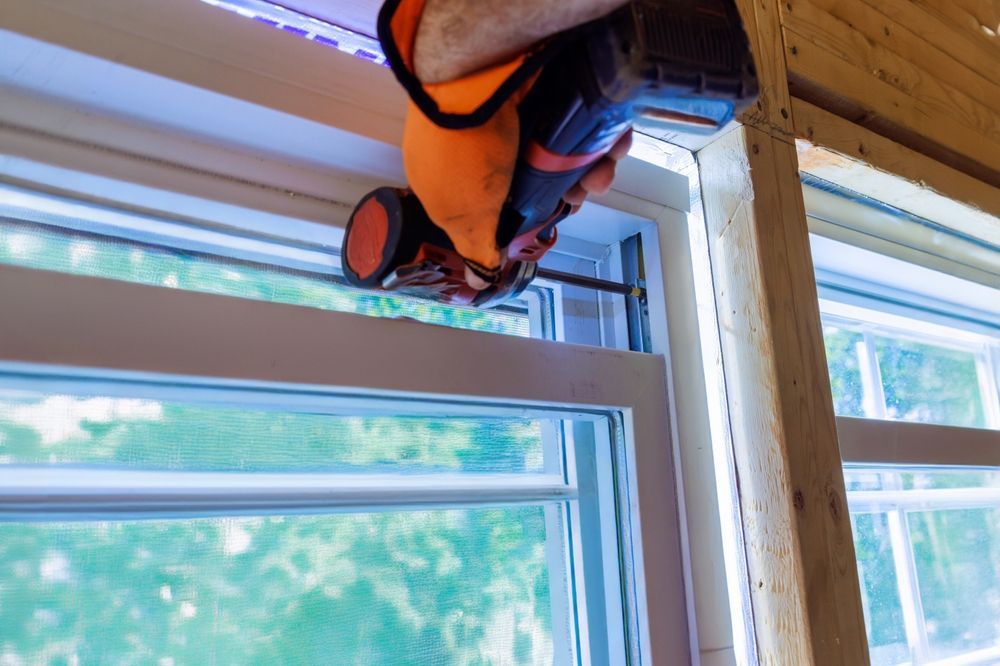
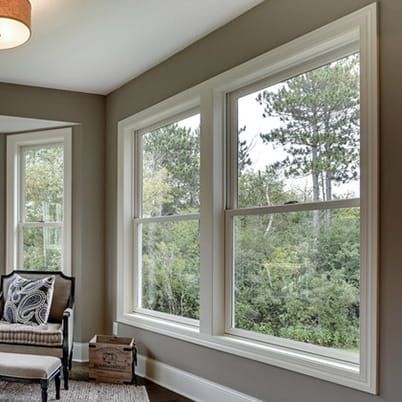
Replacement involves detaching interior and exterior trim, cutting through fasteners or sealant holding the old window, and extracting the unit without damaging surrounding siding or drywall. New windows are shimmed level and anchored to framing, then insulated and sealed before trim is reinstalled. Options across Andersen, Marvin, ProVia, Kolbe, and Lindsay allow homeowners to match existing architectural styles or shift to more contemporary designs while gaining the thermal performance of low-emissivity glass and insulated frames.
Request a free estimate to evaluate your current windows and compare replacement options based on energy savings and design preferences.
How Replacement Addresses Insulation and Noise Issues
Older Illinois homes frequently have windows where glazing has delaminated, weatherstripping has compressed, or wood frames have warped, creating gaps that allow air infiltration and sound transmission. Replacement units include multi-pane insulated glass with argon or krypton gas fills, low-E coatings that reflect heat back into rooms during winter, and compression weatherstripping that maintains contact even as the sash moves. Frame materials—vinyl, fiberglass, wood, aluminum-clad, or composite—are selected based on maintenance preferences and thermal performance requirements.
Once replacement is complete, drafts around the frame perimeter disappear, interior surface temperatures near the glass rise noticeably during cold weather, and outside noise from traffic or wind diminishes substantially. Condensation that previously formed on glass or frames during winter mornings no longer appears because interior air cannot reach cold surfaces, which also prevents mold growth and wood rot in surrounding trim and sills.
Energy savings depend on the condition of the old windows and the performance specifications of the new units, but homes replacing single-pane or early double-pane windows typically see measurable reductions in heating costs within the first season. Windows also contribute to home value and curb appeal, particularly when outdated designs are replaced with styles that complement the home's architecture.
Answers to Common Replacement Questions
Replacement projects raise questions about timing, material choices, and what to expect during the work, and the following addresses the most frequent concerns.
What determines whether windows can be replaced without altering the opening size?
If the existing rough opening is square and the surrounding framing is sound, new windows are sized to fit the current dimensions, avoiding structural modifications and reducing both cost and completion time.
How much disruption occurs inside the home during replacement?
Interior trim is removed and reinstalled, which requires minor touch-up painting, but drywall and flooring remain undisturbed unless damage is discovered in the framing or sill area during removal.
Why do heating costs decrease after replacement?
New windows reduce heat loss through the glass and frame by using insulated glass units with low-conductivity spacers and gas fills, and by sealing the perimeter with materials that prevent air leakage—older windows often lose more heat through gaps than through the glass itself.
When should windows be replaced in Lake Bluff climate conditions?
Replacement can occur year-round, though scheduling during spring or fall avoids exposing openings during extreme cold and allows sealants to cure at optimal temperatures, which improves long-term adhesion and weather resistance.
What brands perform best for Illinois weather patterns?
Andersen, Marvin, ProVia, Kolbe, and Lindsay all manufacture windows tested for air infiltration, water penetration, and structural load, with performance ratings that indicate suitability for the freeze-thaw cycles and wind exposure common to the North Shore region.
Modern Windows and Doors evaluates existing window condition and provides comparisons across product lines to help you select replacement units that balance performance, design, and budget. Reach out to arrange a property assessment and receive detailed estimates for your home.